English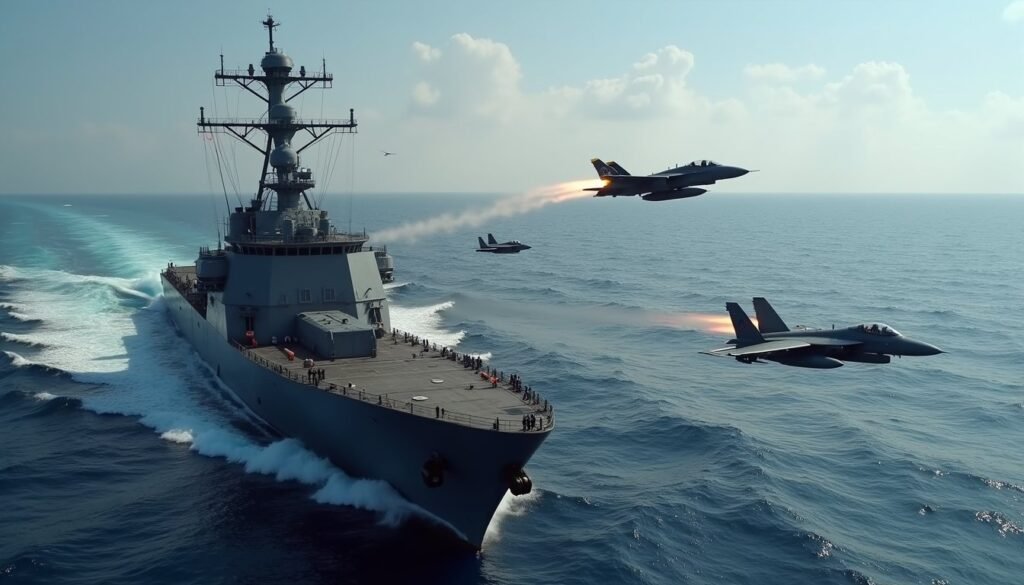































































The June 2025 U.S. Strikes on Iran’s Nuclear Sites: What Really Happened — and What’s Happening Now


Introduction
In June 2025, the United States entered the escalating conflict between Israel and Iran, launching coordinated air and sea strikes on three of Iran’s most fortified nuclear sites — Fordow, Natanz, and Isfahan. The operation stunned the world, reignited debate over preemptive warfare, and sent shockwaves through global markets and diplomatic circles.
These weren’t just symbolic attacks — they targeted the very core of Iran’s nuclear ambitions. Within hours, experts warned that the strikes could reshape the Middle East balance of power and set a precedent for how nations confront nuclear threats in the 21st century.
In this post, we’ll unpack what happened, explore why it matters, and look ahead at what it means for global security, non-proliferation, and U.S.–Iran relations moving forward.
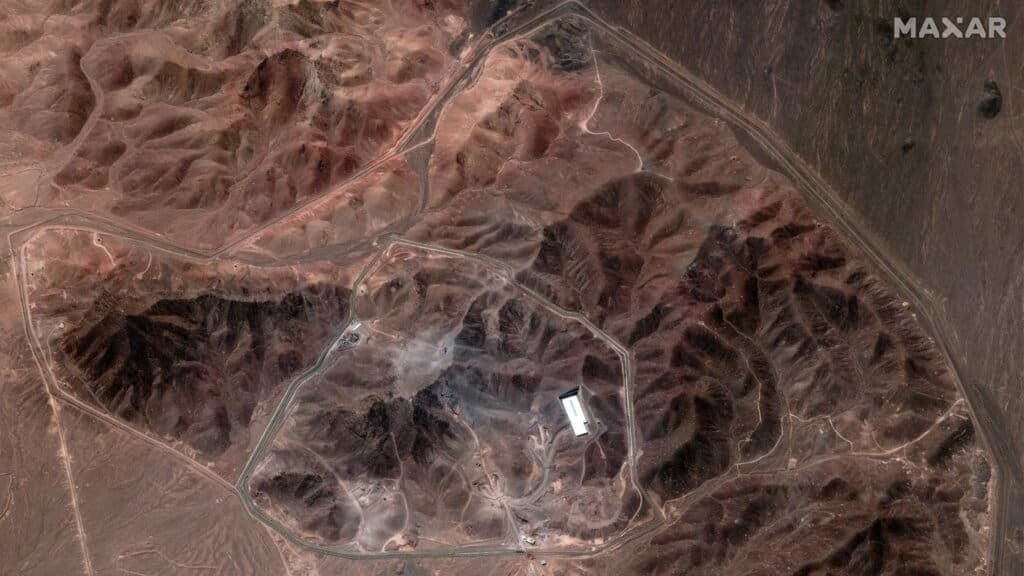
Table of Contents
- What Happened: The June 2025 Timeline
- Targets & Weapons Used
- Immediate Impact and Damage Reports
- Iran’s Response and Regional Fallout
- IAEA and Global Reactions
- Legal and Strategic Implications
- What’s Happening Now (Autumn 2025)
- Expert Analysis and Future Risks
- FAQs
- Conclusion & Call to Action
<a name=”timeline”></a>
What Happened: The June 2025 Timeline
In the late hours of June 21 (U.S. time), President Donald Trump confirmed that the United States had begun air and missile strikes on Iranian nuclear sites. The Pentagon reported that bunker-buster bombs and Tomahawk cruise missiles targeted the enrichment facilities of Fordow, Natanz, and Isfahan.
- June 21–22: strikes executed.
- June 23: IAEA emergency meeting convened.
- June 25: Iran vowed “severe revenge” but avoided direct U.S. confrontation.
- June 28–July: global oil prices surged 14%.
According to Reuters, Pentagon officials described the mission as “surgical, proportionate, and designed to degrade nuclear capacity without civilian loss.”
<a name=”targets”></a>
Targets and Weapons Used
Fordow Facility (Qom Province)
Buried beneath a mountain, Fordow was hit with GBU-57 Massive Ordnance Penetrators dropped from B-2 Spirit bombers.
Natanz Complex (Isfahan Province)
The heart of Iran’s enrichment network. Multiple Tomahawk cruise missiles launched from U.S. Navy vessels in the Arabian Sea.
Isfahan Technology Center
Struck to disrupt uranium-conversion processes and logistics.
The CSIS Satellite Imagery Analysis{target=”_blank”} later confirmed visible structural collapse at Fordow’s entrance tunnels and power-substation destruction near Natanz.
<a name=”impact”></a>
Immediate Impact and Damage Reports
- Casualties: Unconfirmed; Iran reported 27 personnel dead, 40 injured.
- Infrastructure: Severe damage at Fordow; partial at Natanz and Isfahan.
- Energy market: Oil surged to $112/barrel within 48 hours.
A 2025 analysis by the Council on Foreign Relations{target=”_blank”} suggested Iran’s nuclear timeline was set back by “at least 9–12 months,” but warned that deep underground sites might still be operational.
<a name=”response”></a>
Iran’s Response and Regional Fallout
Iran condemned the attack as a “declaration of war.”
- Military reaction: limited missile fire toward Gulf waters.
- Cyber response: attempted attacks on U.S. infrastructure detected by CISA.
- Diplomatic front: Russia and China called for an emergency U.N. session.
Al Jazeera reported on June 23 that airspace over Qatar and Bahrain closed briefly as tensions rose.
<a name=”legal
‘>
🌐 IAEA and Global Reactions
The International Atomic Energy Agency (IAEA) confirmed its inspectors lost access to the struck sites. In a June 24 statement, Director General Rafael Grossi said the agency was “deeply concerned about the escalation of violence against nuclear facilities.”
Global responses ranged from European calls for restraint to Israeli endorsement of the U.S. action. A Harvard Belfer Center{target=”_blank”} analysis suggested the strikes “crippled Iran’s short-term enrichment capacity but solidified its resolve to go underground.”
<a name=”legal”></a>
⚖️ Legal and Strategic Implications
The operation raises questions about the legality of pre-emptive strikes under international law.
- The U.S. argued self-defense under Article 51 of the U.N. Charter.
- Critics call it a violation of Iran’s sovereignty and the Nuclear Non-Proliferation Treaty (NPT).
The American Journal of International Law notes that “the legal basis for striking a non-imminent nuclear threat remains disputed.”
Strategically, the attack demonstrated U.S. capabilities to penetrate deeply fortified targets and signaled to other nuclear-aspiring states the cost of defiance.
<a name=”now”></a>
🛰 What’s Happening Now (Autumn 2025)
As of October 2025:
- Fordow and Natanz show limited activity in new underground tunnels per CSIS{target=”_blank”}.
- Iran curtailed IAEA cooperation but invited Russian and Chinese engineers to assist in reconstruction.
- U.S. policy: Treasury expanding sanctions; diplomatic channels remain frozen.
- Public sentiment: A Pew Research survey found 58% of Americans supported the strikes “to prevent a nuclear Iran.” (source{target=”_blank”})
<a name=”analysis”></a>
🧩 Expert Analysis and Future Risks
- Short-term setback, long-term motivation. Iran will likely accelerate its underground projects.
- Regional arms race. Saudi Arabia and Turkey consider new nuclear technology agreements.
- Global energy shock. Supply disruptions from Gulf shipping lanes could reverberate into 2026.
- Diplomatic freeze. The JCPOA talks are effectively dead.
- Cyber front. Retaliatory attacks on critical U.S. infrastructure remain a high probability.
<a name=”faqs”></a>
❓ FAQs
1. When did the U.S. strike Iran’s nuclear sites?
June 21–22 2025, with air and missile strikes on Fordow, Natanz, and Isfahan.
2. Why did the U.S. strike Iran?
The White House claimed evidence Iran was weeks from a nuclear breakout and violating U.N. restrictions.
3. How much damage was done?
Satellite imagery showed major damage to Fordow and power systems at Natanz.
4. Was this legal under international law?
It’s contested; U.S. cites self-defense while critics argue it violated sovereignty.
5. Did Iran retaliate?
Iran launched limited missiles and cyber operations but avoided direct conflict.
6. Could this lead to a larger war?
Experts warn of proxy flare-ups but no full regional war yet.
7. What’s next for Iran’s nuclear program?
Reconstruction with foreign assistance and greater emphasis on deep tunnels.
<a name=”conclusion”></a>
🧭 Conclusion & Call to Action
The June 2025 U.S. strikes on Iran’s nuclear facilities marked a historic moment in modern geopolitics — one that may reshape nuclear policy for years to come. While the bombs silenced centrifuges, they also ignited new debates about legality, ethics, and long-term security.
If you found this analysis useful, consider subscribing to our newsletter for deep dives into global security and policy events. You can also read our related post: “The 2025 U.S. Drug-Boat Strikes in the Caribbean — A New Kind of War?”