English




















































































The New Trade War: Reshaping Global Economics Through Tariffs

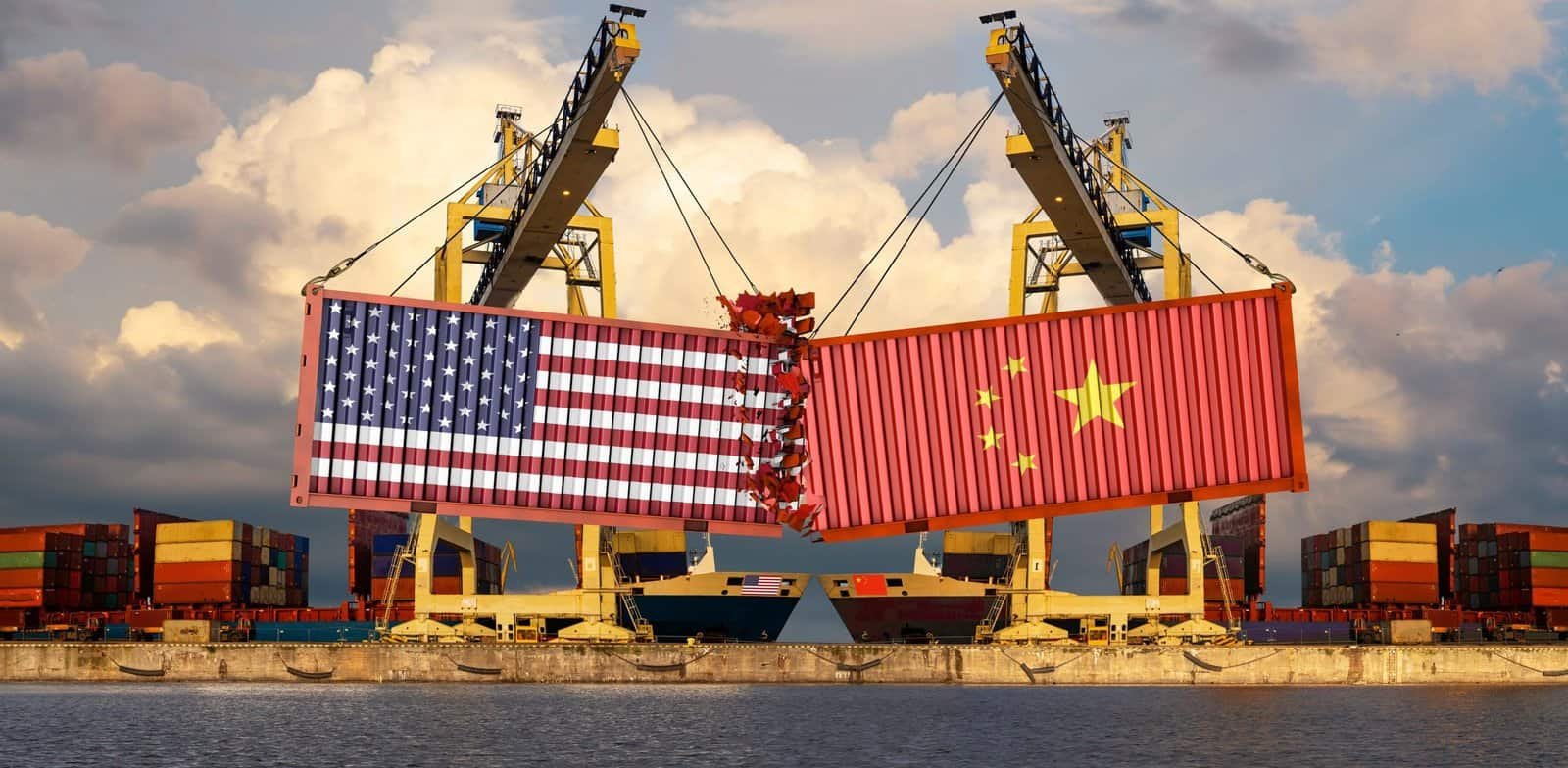
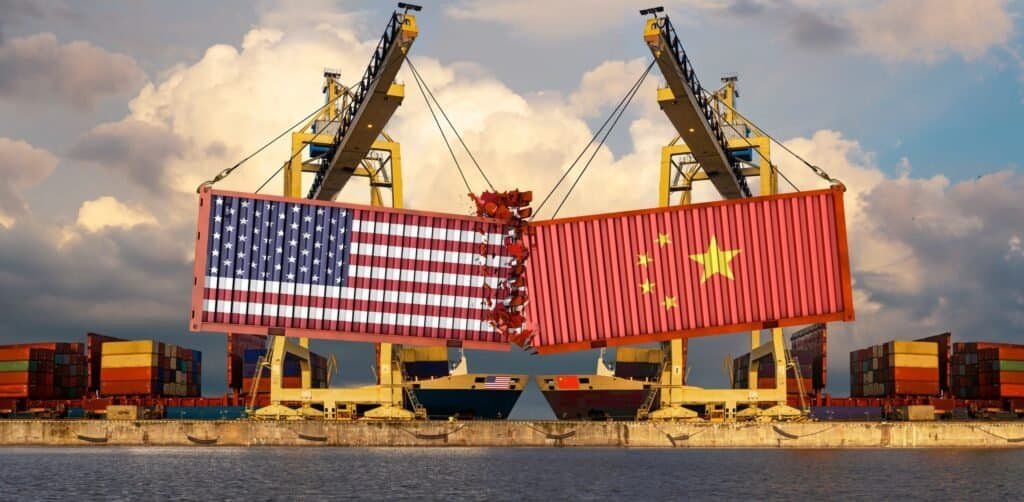
Recent U.S. trade policies, marked by sweeping tariffs, are creating profound economic consequences and fundamentally altering long-standing global trade dynamics. The ripple effects are being felt by American households, international supply chains, and the global economy at large.
Economic Impact on the U.S.: A Domestic Tax in Disguise
Overwhelmingly, economic analyses conclude that the recent tariffs function as a broad-based tax increase, imposing a net negative effect on the U.S. economy.
- A Drag on Growth: The non-partisan Tax Foundation estimates these measures will reduce the nation’s long-run GDP by 0.6%.
- A Direct Hit to Households: For American families, this translates into a significant financial burden, amounting to an average effective tax increase of $1,200 per U.S. household in 2025.
- Declining Welfare: Broader analyses of economic well-being echo this concern. A study from the Centre for Economic Policy Research (CEPR) projects U.S. welfare to decline by approximately 2% under the current “status quo” scenario of sustained tariffs.
Shift in Global Supply Chains: Opaque and Inefficient Rerouting
The tariffs have triggered a massive and costly reconfiguration of global trade routes, rather than a simple reduction in trade.
- The Collapse of Direct Trade: One of the most striking effects has been the collapse of direct exports from China to the U.S., which have fallen by approximately 90%.
- The Rerouting Phenomenon: Chinese products are now increasingly being rerouted through third countries. In one prevalent scenario, over half of Chinese value-added now reaches the U.S. via Mexico, with significant shares also moving through Vietnam and South Korea. This creates a less efficient, more opaque, and complex global trading system.
Global Retaliation and Losses: A Cycle of Economic Pain
The international community has not accepted the U.S. tariffs passively, and a cycle of retaliation is amplifying the economic damage worldwide.
A “Catastrophic” Warning: The head of the World Trade Organization has warned that an escalating cycle of retaliation could potentially lead to “catastrophic” double-digit GDP losses globally, underscoring the high stakes for the world economy.
Compounding U.S. Losses: CEPR analysis warns that if all announced retaliatory measures are implemented, it would reduce U.S. GDP by an additional 0.2%.
Widespread Global Harm: The economic pain is not confined to the U.S. Key trading partners like Canada, Mexico, and Ireland are projected to see real income falls of 2% to 3% due to their high exposure to the American market.